How to make a life story book with someone living with dementia
Begin with one familiar photo and build a life story book at the person's pace, in their own words.
Stories and oral historyBy Joe Brazao2 min read
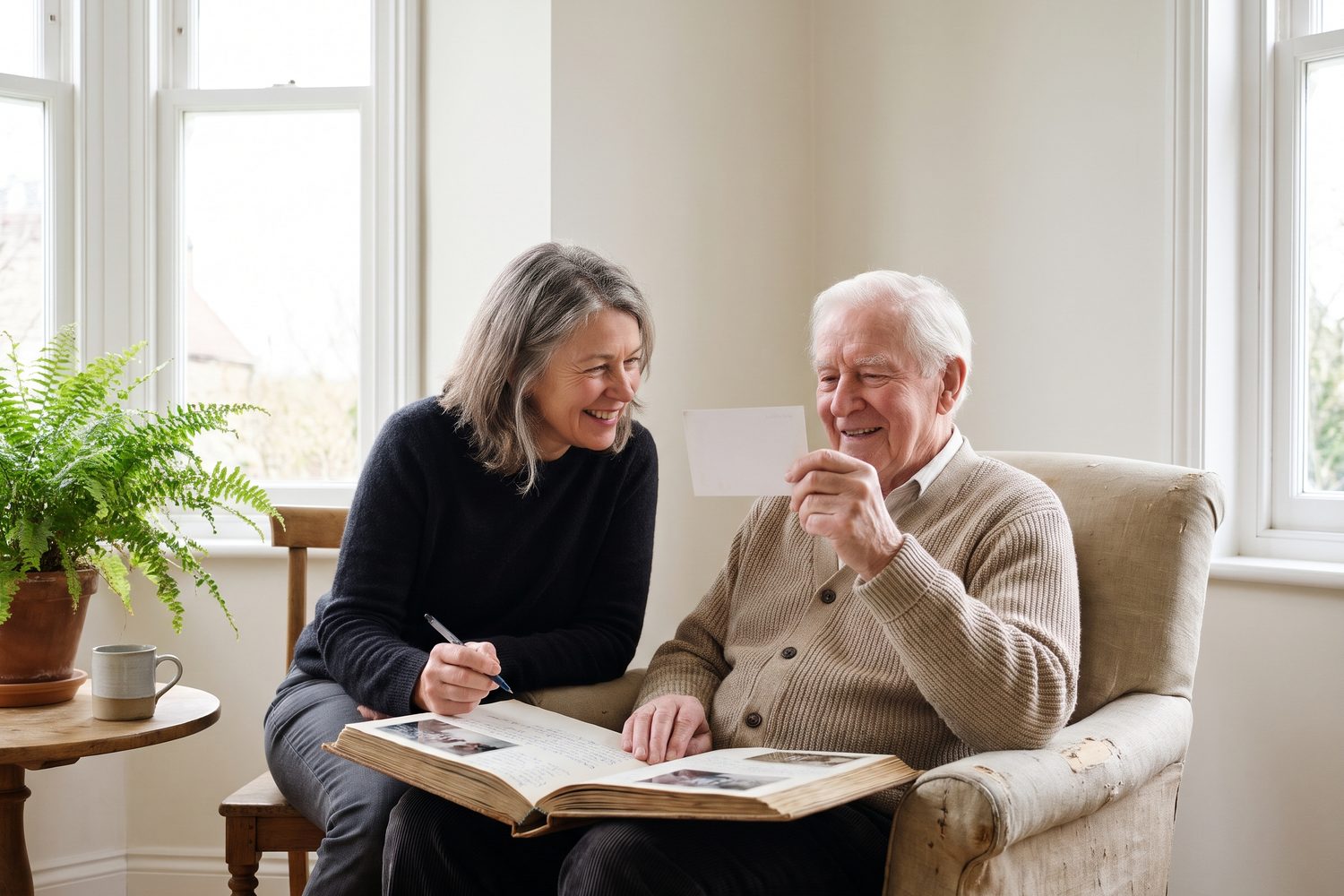
A life story book does not have to start at birth or cover every year. Begin with one familiar photo, person or place and ask whether they would like to talk about it. The person can choose what belongs in the book, what stays private and when to stop.
Dementia UK advises involving the person as fully as possible, taking one topic at a time and including what matters in their life now. Its free life story template is another useful place to begin.
Choose a format they can use
A simple folder or printed book works well if the person likes turning pages. Use clear text, uncluttered pages and a few familiar photos. A digital version can hold a recording in their own voice. You can make both: a printed page to look at together and a digital copy relatives can help keep up to date.
Start with a page about something they enjoy now: a person they like seeing, a familiar place, a favourite dish or music they choose. Add earlier memories where they want to go next. A book can change as their interests and wishes change.
Let one photo lead the conversation
Bring two or three familiar photos, then offer one. “Would you like to look at this together?” is enough to begin. Ask about the person, place or ordinary detail that catches their attention. Give them time; do not turn the moment into a test of names or dates.
If speaking is difficult, a gesture, expression, choice between photos or a few written words may tell you what matters. Alzheimer’s Society’s communication guidance recommends reducing distractions, allowing time and including the person in the conversation.
Keep their words and choices visible
Ask separately before making a recording and explain who may hear it. If they would rather not be recorded, write down a few words together or leave the page unfinished. Add their name to what they chose to share. Note when a relative adds context, so the two voices are not silently combined.
A page might hold the photo, “This was the garden I liked best” in the person’s words, the date it was shared, and a separate note from their daughter identifying the house. An approximate date can stay approximate.
Invite others carefully
Ask trusted relatives for a photo and one thing they remember. Check what the person wants included before sharing the book with others. If a subject is upsetting or tiring, change it or stop. One comfortable conversation is a complete start; there is no need to finish a set number of pages.
One Photo at a Time provides printable conversation cards, a recording guide, a one-page profile and space for relatives’ contributions. It can be used without an app. The dementia gift guide explains how a family can give it. This is guidance for family conversations, not treatment, therapy or a memory assessment.
Read the Journal on Google? Add Cirluma as a preferred source.
How to identify the people in your family photos
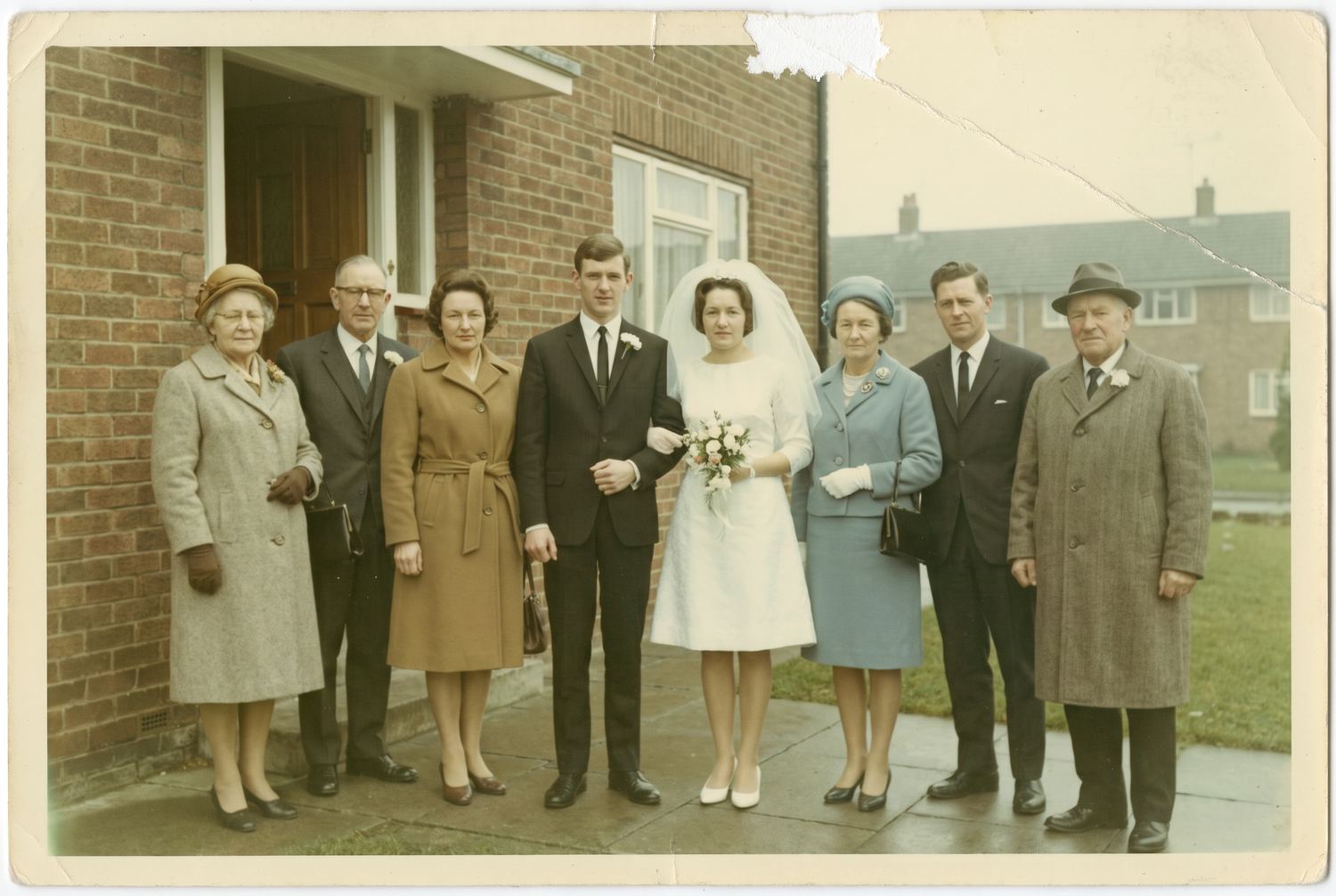
The quickest way to name the faces in a box of family photos is to ask several people at once and keep every answer, sure or not. Here is how, with the clues to check when nobody remembers.
Stories and oral history3 min read
Questions to ask about the photos in your family’s albums
Fifty questions that get people talking about a photo, grouped by what they open up, with a few notes on how to ask them and what to do with the answers.
Stories and oral history3 min read



Start with one Circle
Bring together the people, photos, voices and stories that matter.