How to date an old family photo
The back of a print, its album page and the people beside it may narrow the date more than the clothes alone.
Everyday memoriesBy Joe Brazao2 min read
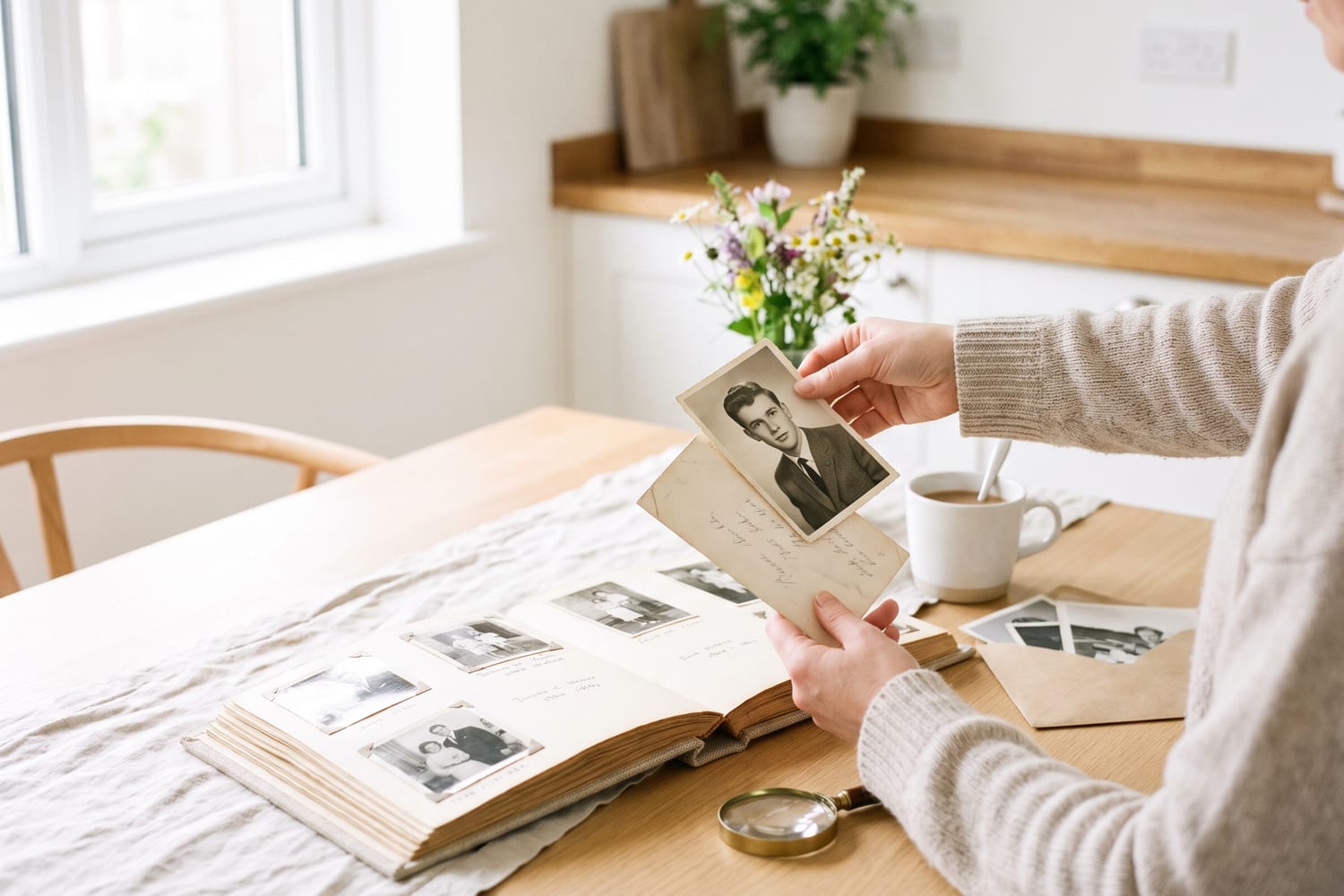
You do not need to identify every face before you can date a family photo. Start with a range, then narrow it as the clues agree. Write down what each clue is; a guessed year can look like a fact when it is copied into the next album.
Keep the photo in its setting
Before taking a print out of an album, take a photo of the complete page and any caption. Notice the photos before and after it. They may belong to the same holiday, house or stage of somebody’s life. If the print was in an envelope, record whose envelope it was and what else was inside.
Read the back and edges
Look for a handwritten name or date, a processing stamp, a studio name, an address or a number. Take a photo of the back as well as the front. A written date might mark when the print was made or given to somebody, rather than when the camera shutter opened, so keep the wording as it appears.
If a print is stuck to a mount or album page, leave it in place. The mount and the page are part of its history, and pulling it free can damage the image. The National Archives’ handling guidance also advises against trimming or removing original mounts.
Compare people and places
Find a person you recognise in a securely dated photo. Are they visibly younger or older in the mystery picture? Do they appear with the same people, outside the same house or beside the same car? A shop sign, school badge or building may give you a place to investigate.
Clothes and hairstyles can suggest a period, but a favourite coat may be worn for years. A formal portrait may show borrowed or older clothes. Use several clues together rather than dating the picture from fashion alone.
Ask the person who might know
Send one photo with a specific question: “This was in Nan’s blue album beside the 1965 wedding pictures. Do you remember when it was taken?” Ask whether their answer is certain or a best guess, and record who gave it. Another relative may know a different part of the story.
For ways to ask several people and keep their answers, see how to identify the people in your family photos.
Record the date you can defend
“Summer 1964, probably” is more useful than a confident “1964” without a source. Keep a short note with the image:
- Estimated date: Summer 1964–1966.
- Why: The print follows the 1964 wedding in the album; Mary recognised the house and remembers moving away in 1966.
- Who checked it: Mary, 18 November 2026.
- Still to check: The date on the back of the neighbouring print.
The Family Photo Rescue has detective sheets and a confidence scale for doing this across a box of photos, one manageable group at a time.
Read the Journal on Google? Add Cirluma as a preferred source.
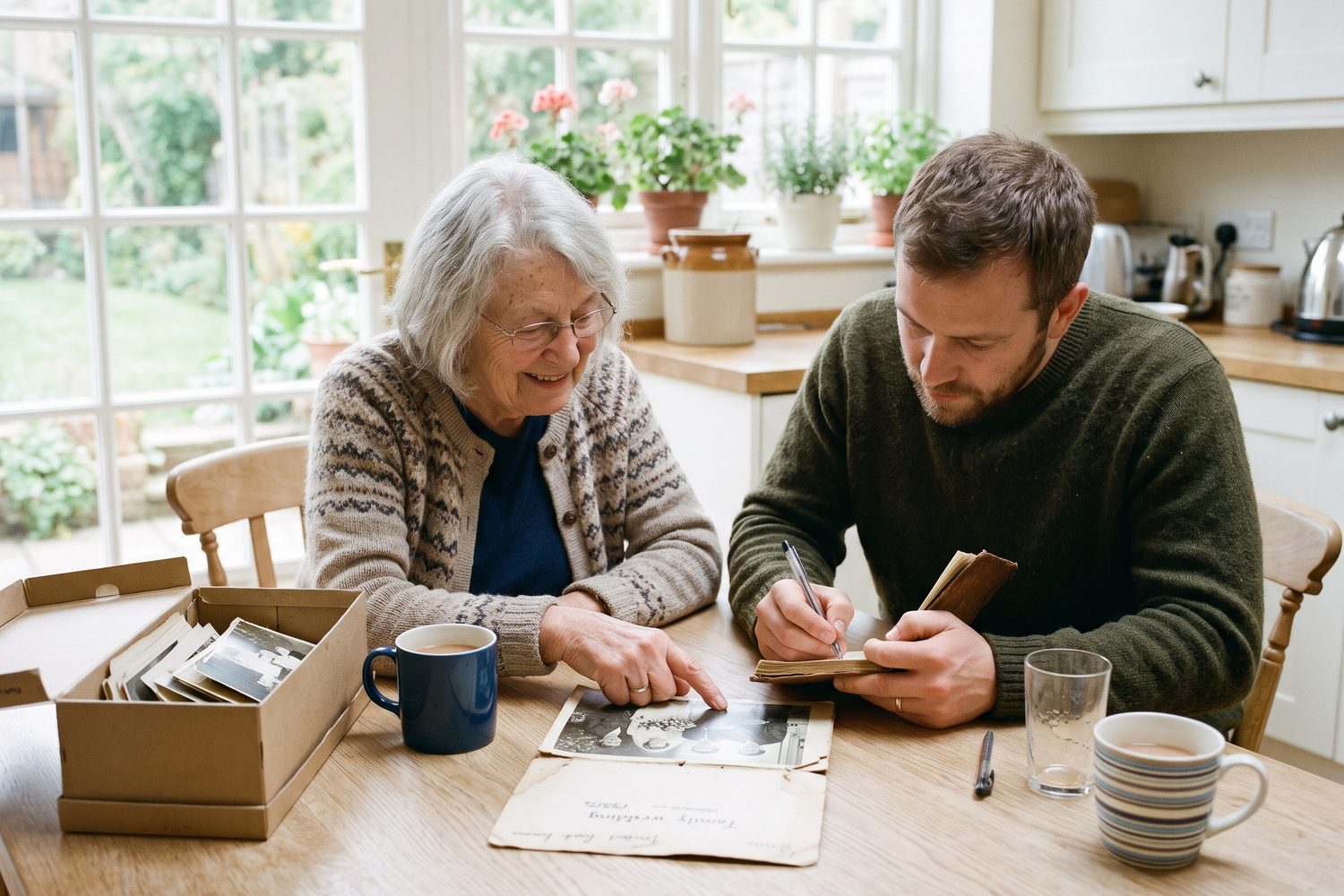
How to identify people in old family photos
Start with one mystery photo. Look at where it was found, follow the clues around it and ask the people who may remember more.
Everyday memories2 min read
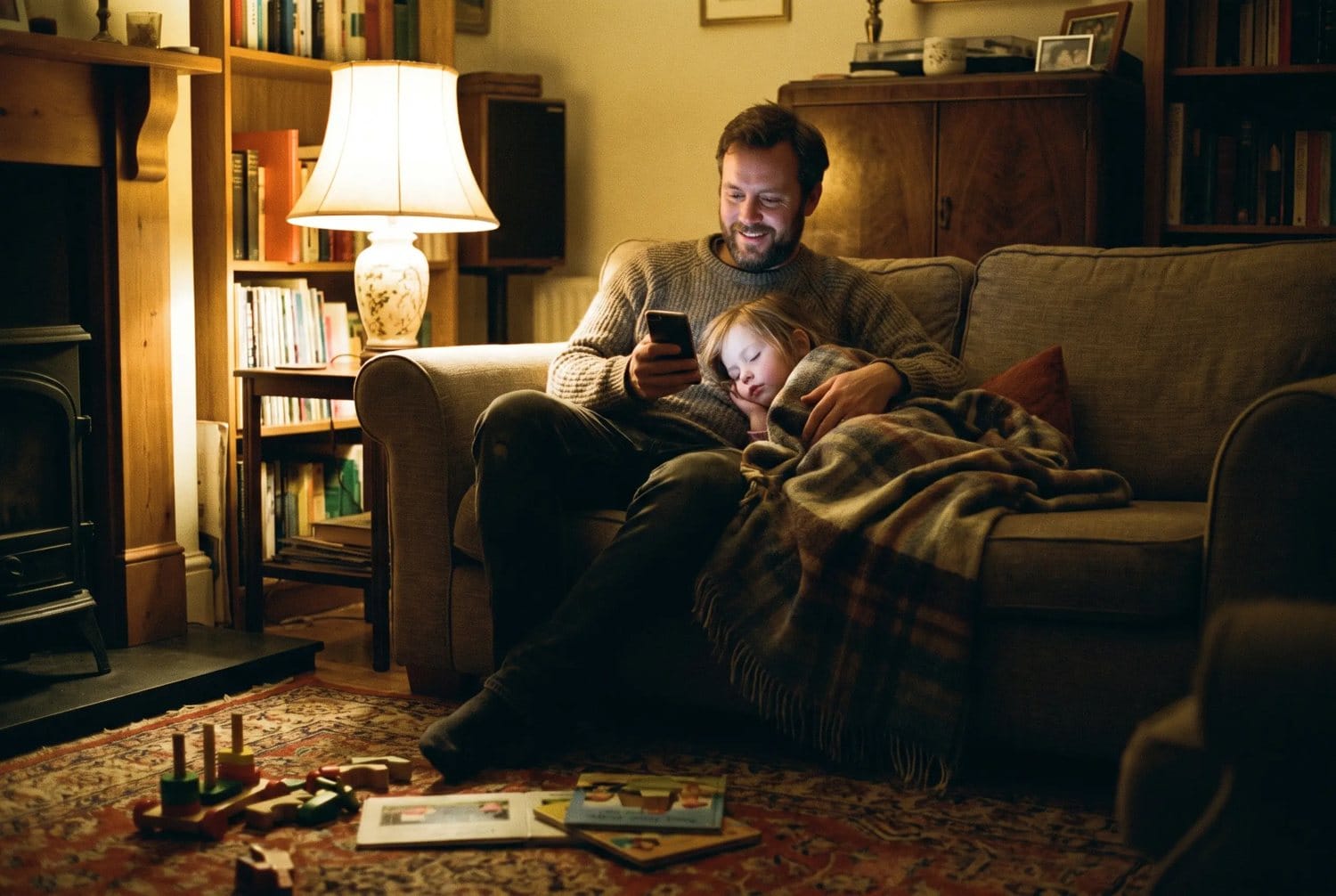
Add the stories behind your phone photos
Choose a few photos each month and add the names, moments and ordinary details the image alone cannot preserve.
Everyday memories2 min read















Start with one Circle
Bring together the people, photos, voices and stories that matter.